Nutraceutical ingredient packaging: bottles, jars and pill boxes for active ingredients
Across nutraceutical markets, ingredient manufacturers, contract manufacturers and dietary supplement brands showcase a wide variety of active ingredients: acidulants, antioxidants, botanicals, carotenoids, flavonoids, prebiotics, probiotics, vitamins, minerals, enzymes, proteins, algae oils and plant extracts. Not all these ingredients have the same packaging requirements, but they share a common need: reliable primary packaging that is food-grade and designed to protect the formula until it reaches industrial or consumer use.
LABOPICHOT designs and manufactures plastic bottles, jars, pill boxes, capsule dispensers, caps, droppers and bespoke containers in France for the nutraceutical market. This page summarises the packaging solutions tailored to the nutraceutical ingredient categories: hygroscopic powders, oily liquids, light-sensitive active ingredients, live cultures, beverages, capsules, tablets, powders, sachets, sprays, drops, gummies, shots, syrups, gels, creams, pastes and bulk products for professional use.
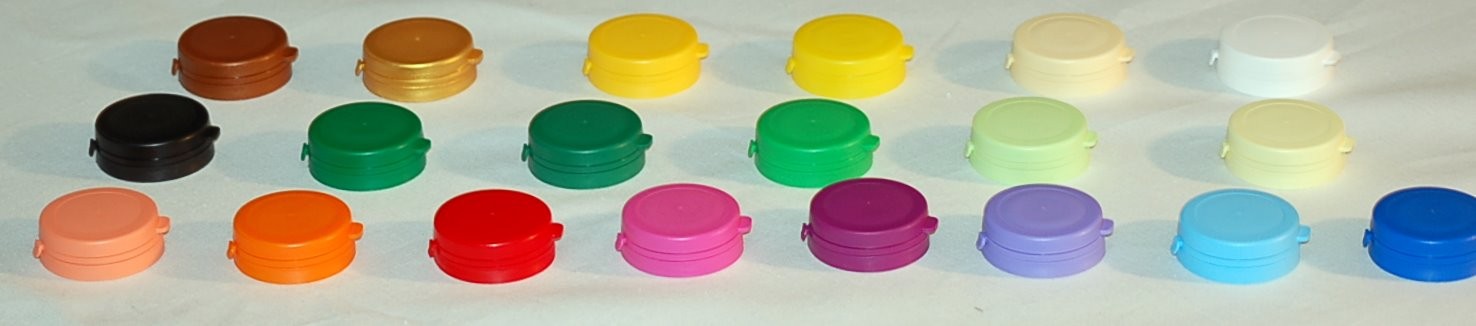
Which packaging should you choose depending on the type of ingredients?
Processing aids
PET/HDPE bottles, PP jars, tamper-evident caps and opaque solutions for powders, flavourings, sweeteners, preservatives and moisture-sensitive premixes.
Bioactive compounds & natural extracts
Barrier packaging for botanical extracts, carotenoids, flavonoids and light-sensitive active ingredients: amber PET, opaque HDPE, dropper and dosing cap.
Fibre, sugars & prebiotics
Large-volume jars and bottles for fibres, prebiotics, dry syrups, hygroscopic powders and mixtures to be repackaged as capsules, sachets or loose products.
Lipids, oils & plant-based raw materials
Leak-proof bottles, droppers and dispenser caps for oils, omega supplements, macerates, fruit extracts and plant-based ingredients that require good resistance to grease.
Microbiome & fermentation
Opaque HDPE solutions, pots with desiccant, barrier caps and protective packaging for probiotics, yeasts, functional fungi and synbiotics.
Essential nutrients & protein
Pill boxes, protein jars, liquid bottles and measuring caps for vitamins, minerals, enzymes, amino acids, plant-based or animal-based proteins, and multi-active formulas.
Quality requirements for nutraceutical ingredients
Nutraceutical ingredients often impose a combination of requirements: protection against moisture, oxygen or light; closure stability; compatibility with oils; absence of problematic migration; tamper-evidence; batch traceability; and compliance with EU Regulation 10/2011 on plastics intended to come into contact with food. Our design office recommends the appropriate material-cap combination based on the sensitivity of the formulation and the planned logistics route.
Common nutraceutical applications
- Contract manufacturers and CDMOs developing capsules, tablets, powders, sticks or gummies.
- Nutra brands looking for differentiated packaging for vitamins, minerals, botanicals or probiotics.
- Ingredient suppliers repacking samples, pilot batches or demonstration formats.
- R&D laboratories validating active ingredient stability in several plastic materials.
- Sports nutrition, beauty-from-within, microbiome, healthy ageing and animal health players.
Recommended materials for sensitive ingredients
UV and moisture protection for probiotics, vitamins, enzymes and sensitive powders.PET / amber PET
Transparency or light protection for liquids, syrups, oils and botanical extracts.Food-grade rPET
Recycled solution for committed nutraceutical brands and CSR reporting.PP
Good mechanical resistance for jars, closures, pill dispensers and large protein formats.
Useful pages for your nutraceutical projects
Nutraceutical packaging and ingredients FAQ
What kind of packaging is best for probiotics or synbiotics?
For probiotics, yeasts and synbiotics, we recommend opaque HDPE containers or PP jars with airtight lids, a desiccant insert where necessary, minimal exposure to light, and a format suitable for filling with capsules, tablets or powder.
Which container should be used for oils, omega-3s or lipid extracts?
Algae, vegetable or animal oils require a container suitable for fatty substances, a secure closure and, in some cases, UV protection. Amber PET, HDPE or PP are selected based on viscosity, dosage and filling method.
Can vitamins, minerals and botanicals be included in the same product range?
Yes, a single platform of bottles or jars can be used for multiple formulations provided that the material, net volume and cap have been approved. We help to standardise a product range to reduce costs whilst maintaining the necessary protection.
What are the minimum order quantities for custom nutraceutical packaging?
The standard minimum order quantity (MOQ) is 5,000 units for existing products. For a bespoke colour, a specific cap or a custom mould, the MOQ depends on the size, material and level of customisation required.