Guide · food-contact packaging
Food-contact plastic bottles: material and compliance guide
Guide for food-contact plastic bottles and jars: PET, HDPE, PP, migration, declarations of compliance, closures and buyer checks for food supplements, syrups, drinks and health-food products.
What food contact means for buyers
Food-contact suitability is not only a marketing statement. The packaging material, additives, colourants, closure and any liner must be suitable for the intended food or nutraceutical product. The French guide focuses on practical procurement checks: compliance documentation, material choice and validation with the real formula.
Material choice
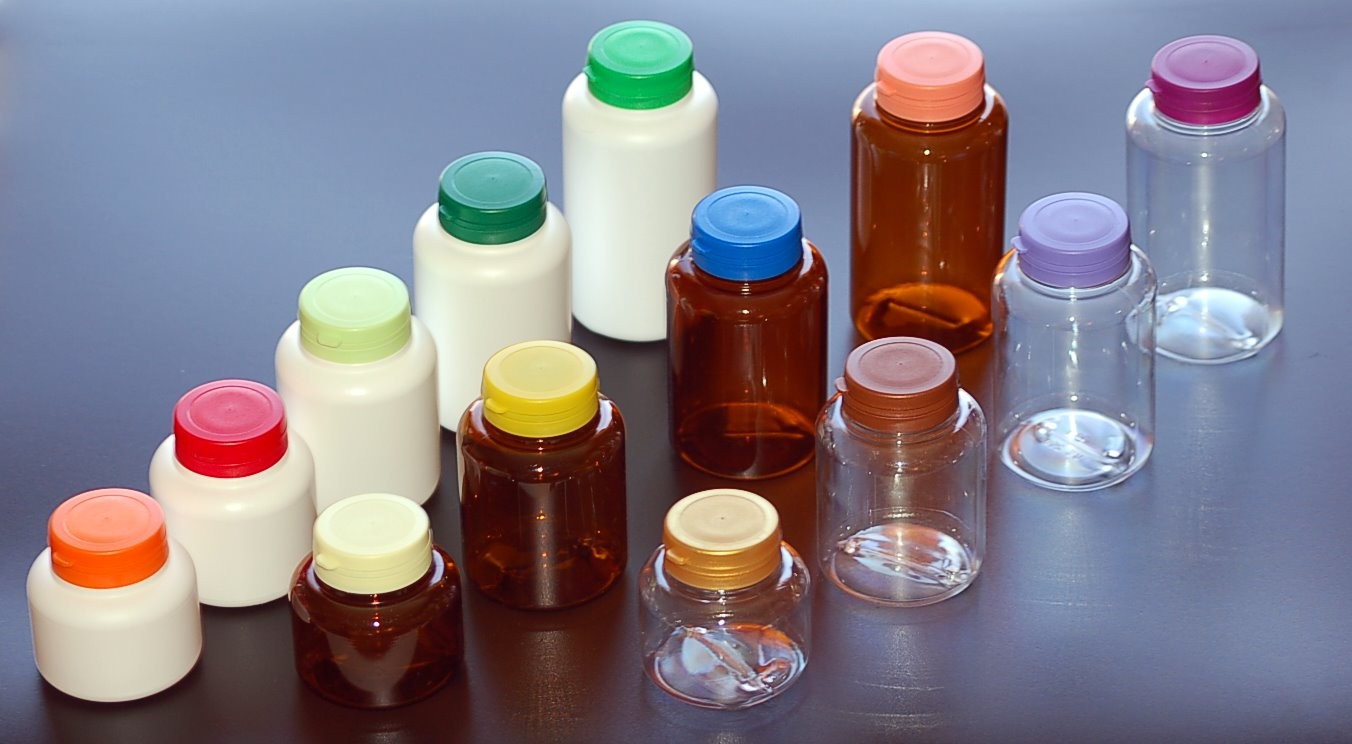
- PET is often selected for transparent bottles, drinks, syrups and products where shelf visibility matters.
- HDPE is robust, opaque or translucent and useful when impact resistance or light protection is more important than full transparency.
- PP is widely used for caps, closures and some jars because of its stiffness and good processing behaviour.
- rPET can support recycled-content goals, but food-contact suitability and supply consistency must be verified for the exact grade.
Documents and compliance checks
- Ask for a declaration of compliance covering the intended food-contact use.
- Check whether the statement refers to the material, colour, closure and any liner or sealing element.
- Confirm the test conditions: food simulant, time, temperature and contact scenario.
- Keep packaging documentation linked to the final SKU and not only to a generic material family.
Product compatibility
Food supplements, syrups, oils, powders, tablets and functional drinks do not stress packaging in the same way. Buyers should share fat content, alcohol content, acidity, essential oils, aroma concentration, filling temperature and expected shelf life so that the supplier can recommend the right bottle and closure assembly.
Closure and sealing points
- Choose the neck finish and closure together, not as separate purchases.
- Validate torque, liner, tamper evidence and inversion leakage.
- For powders and tablets, humidity protection can matter as much as food-contact status.
- For liquids, transport tests and cap retention are essential before launch.
Procurement checklist
Before ordering, confirm material, capacity, colour, closure, declaration of compliance, sample availability, MOQ, lead time, decoration method, palletisation and validation responsibility. This makes the English page as useful for international buyers as the French compliance guide is for French buyers.