Guide · parapharmacy packaging
Parapharmacy packaging standards and buyer checks for 2026
Practical 2026 guide for parapharmacy packaging: product category, material, closures, hygiene, tamper evidence, documentation, claims, MOQ and industrial validation.
Parapharmacy is not one single rulebook
The French guide explains that parapharmacy packaging depends on the product category. A dermocosmetic lotion, a hygiene gel, a food supplement syrup and a medical-adjacent product do not require the same material, closure, documentation or claims review.
Classify the product before choosing the pack
- Cosmetic or dermocosmetic product: focus on formula compatibility, hygiene, decoration durability and user gesture.
- Food supplement or oral product: check food-contact suitability and migration context.
- Hygiene or household-adjacent product: validate chemical resistance and closure safety.
- Pharmacy-distributed product: add retailer expectations, traceability and tamper-evidence requirements.
Material and closure checks
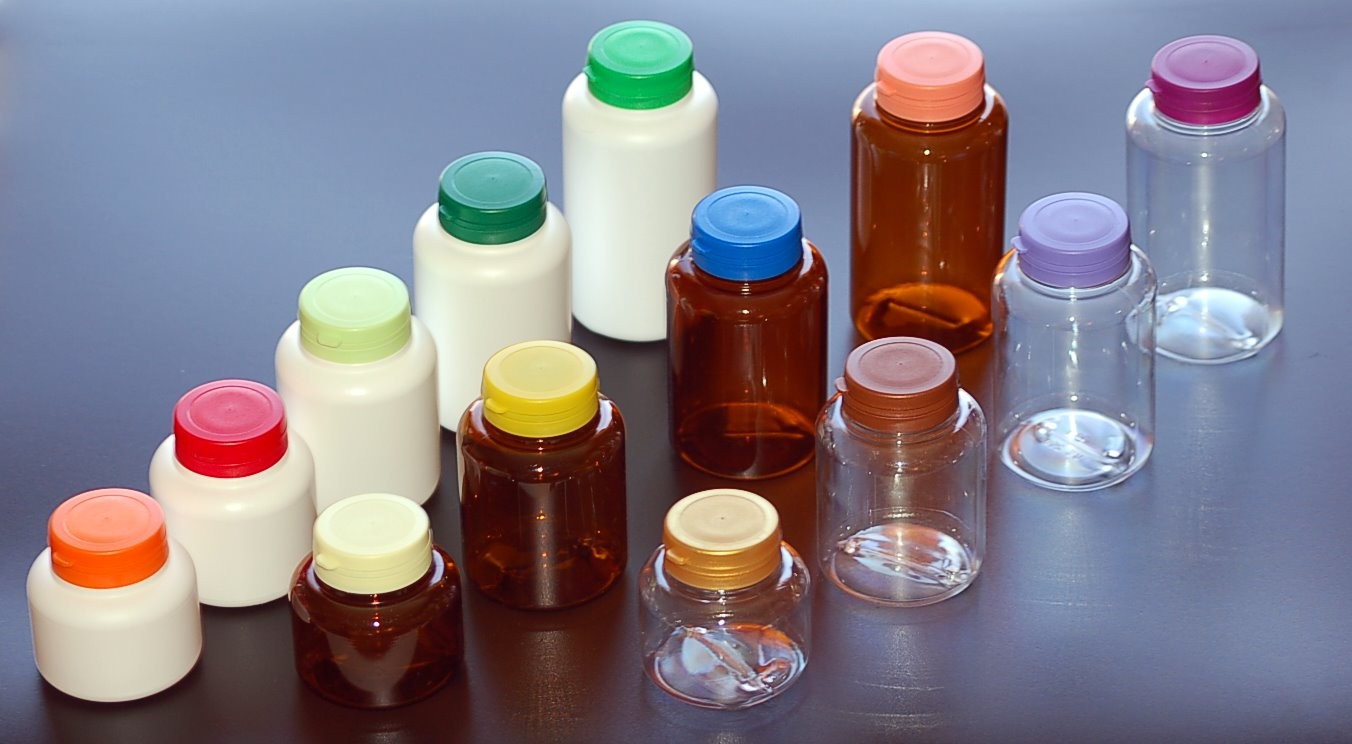
PET, HDPE and PP can all be relevant, but the choice must follow product sensitivity, visibility needs, rigidity, closure design and regulatory context. Closures should be validated with the real filling line and transport conditions, especially for liquids and products sold through pharmacies or e-commerce.
Documentation expected by buyers
- Material and closure specifications.
- Declaration of compliance where food-contact or relevant regulatory context applies.
- Compatibility and leakage test plan.
- Decoration, label and batch-code validation.
- Traceability of the chosen reference, colour and closure.
Claims and label space
Parapharmacy buyers need enough flat label area for mandatory information, warnings, ingredients, directions for use and batch details. Sustainability or technical claims must be precise and supported by documents, especially around recyclability, recycled content and origin.
Industrial validation checklist
- Sample the final bottle and closure assembly.
- Test filling, capping, leakage, inversion, transport and storage.
- Confirm MOQ, lead time and reorder rhythm.
- Validate artwork on the final material and geometry.
- Keep a documented approval record before launch.