Guide · cosmetic project brief
Cosmetic packaging brief: checklist for bottles, jars and closures
A practical B2B checklist for preparing a cosmetic packaging brief: formula constraints, material, closure, decoration, MOQ, lead time, tests and industrial launch. Aligned with the complete French guide for international buyers.
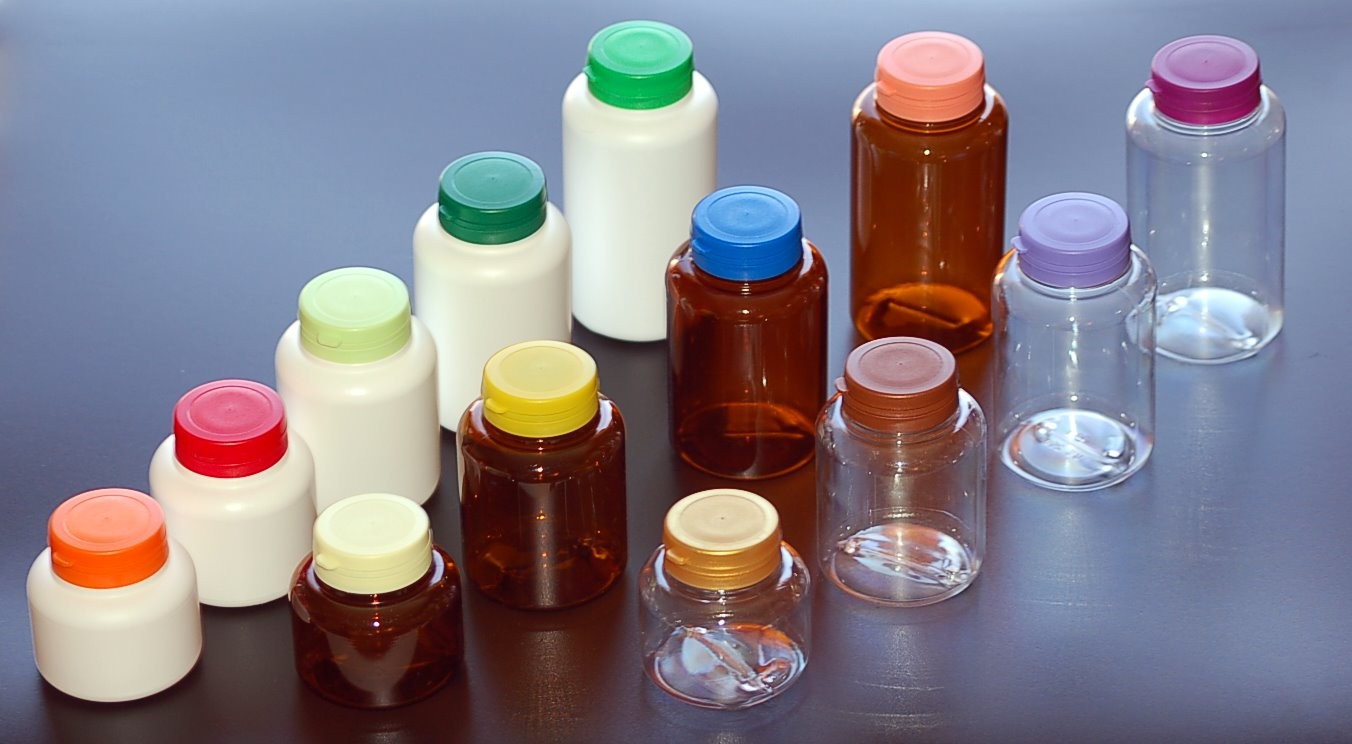
What the brief must define first
The French page treats the packaging brief as a technical document, not only a design request. The first inputs are the formula, the market, the distribution channel, the required shelf life and the desired user gesture. Without these points, material and closure choices remain fragile.
Formula and compatibility data
- Product family: cream, serum, gel, oil, powder, capsule, tablet, lotion or liquid supplement.
- Viscosity, pH, alcohol level, essential oils, surfactants, solvents or fragrance concentration.
- Light, oxygen and humidity sensitivity.
- Expected filling temperature and any hot-fill or cold-chain constraint.
- Regulatory context: cosmetic, parapharmacy, nutraceutical or food-contact requirement.
Pack architecture
- Primary container: bottle, jar, pill dispenser, dropper bottle, pump bottle or spray bottle.
- Material target: PET for clarity, HDPE for robustness and barrier options, PP for caps and some jars, rPET for recycled-content positioning.
- Closure: screw cap, flip-top, pump, spray, dropper, tamper-evident or sealing cap.
- Capacity, neck finish, closure colour, liner need and opening ergonomics.
Decoration and brand expression
Decoration must be considered early because it affects material choice, surface geometry, lead time and cost. The brief should state whether the project needs bottle tinting, screen printing, label application, hot stamping, closure colour matching or a premium finish. Artwork constraints should be validated on the actual shape, not only on a flat visual.
Industrial constraints to include
- Launch quantity, annual forecast and expected reorder rhythm.
- Target unit cost and acceptable tooling investment.
- Desired lead time, launch date and buffer for validation samples.
- Filling line constraints: capping torque, line speed, label orientation and case packing.
- Transport conditions and palletisation requirements.
Tests before approval
A complete cosmetic packaging brief should lead to compatibility tests, leak tests, decoration adhesion checks, cap torque validation, drop or transport simulation and visual acceptance criteria. These tests protect both the brand and the packer before the production order.