Guide · nutraceutical packaging
Choosing a food supplement bottle or jar
Buyer guide for vitamins, capsules, tablets, powders, gummies and liquid nutraceuticals: material, capacity, closure, moisture protection, food-contact documentation, MOQ and French manufacturing.
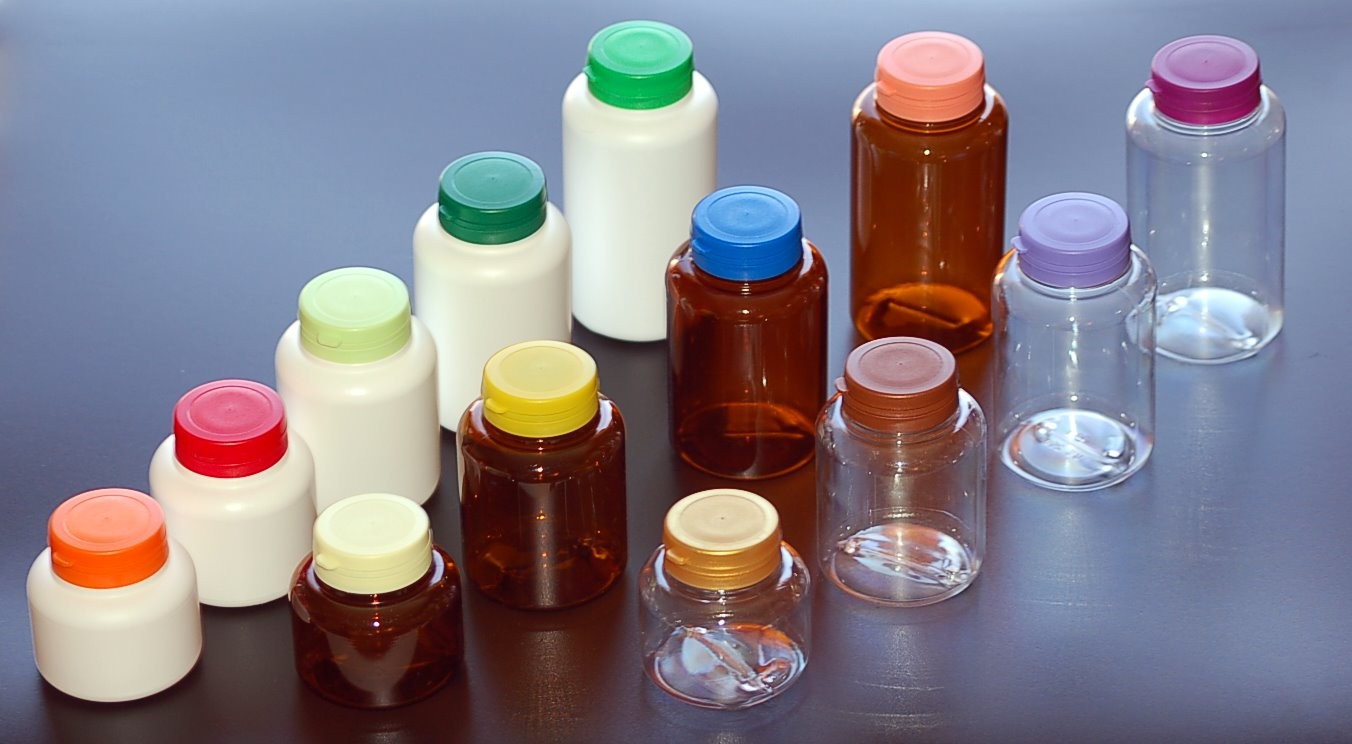
Start from the dosage form
The French guide separates food supplement packaging by product type. Capsules and tablets need moisture protection and a practical opening. Powders need a wide mouth and enough headspace. Liquids need leak-tight closure validation. Gummies and softgels may need additional attention to aroma, fat content and migration.
Bottle or jar selection
- Pill dispensers and bottles for capsules, tablets and small-count launches.
- Wide-mouth jars for powders, gummies and products used with a scoop.
- Dropper or dosing bottles for liquid supplements, plant extracts and concentrated formulas.
- Opaque HDPE or amber options for products sensitive to light.
- Transparent PET when product visibility is useful and compatibility is validated.
Closure and consumer use
A nutraceutical pack must be easy to open repeatedly while protecting the product after each use. The brief should specify screw cap, tamper evidence, measuring cap, dropper, liner, desiccant need, child-resistant expectations where relevant and the filling-line capping constraints.
Regulatory and documentation points
- Confirm food-contact suitability for the material, colour and closure.
- Keep declarations of compliance and technical data linked to the final packaging reference.
- Check label area, mandatory information space and batch coding area.
- Validate compatibility with aromas, oils, alcohol extracts or acidic formulas.
Industrial purchasing criteria
- Catalogue references can support faster launches and lower tooling risk.
- MOQ depends on material, colour, decoration and whether the item is standard or custom.
- Annual forecast matters because it secures material planning and price stability.
- French manufacturing reduces distance, coordination friction and replenishment risk for European brands.
Typical mistakes to avoid
Do not choose only by volume. The real decision includes dose count, tablet size, powder density, scoop size, headspace, cap diameter, label height, shelf life and transport tests. A 150 ml jar and a 150 ml bottle can behave very differently for the same supplement.