Guide · cosmetic and nutra packaging
Airless vs pump bottles: choosing leak-tight cosmetic packaging
B2B comparison of airless bottles, classic pump bottles and LABOPICHOT leak-tight assemblies for cosmetic, nutraceutical and parapharmacy formulas. The French reference guide is kept as the source of truth and this English version gives international buyers the same decision criteria.
LABOPICHOT position
LABOPICHOT does not manufacture piston airless bottles. For most stable or semi-sensitive formulas, we recommend a different route: a rigid bottle, an adapted screw or pressure closure and a sealing cap or liner. This technical assembly can deliver strong oxygen and moisture protection while remaining easier to recycle, easier to customise and more economical than a multi-part airless pack.
The three options to compare
- Airless bottle: strong formula isolation during use, relevant for very sensitive premium actives, but usually more expensive and harder to recycle because of several mixed components.
- Classic pump bottle: practical for gels, lotions, shampoos and stable formulas, with wide capacity options, but each pump action lets air back into the pack.
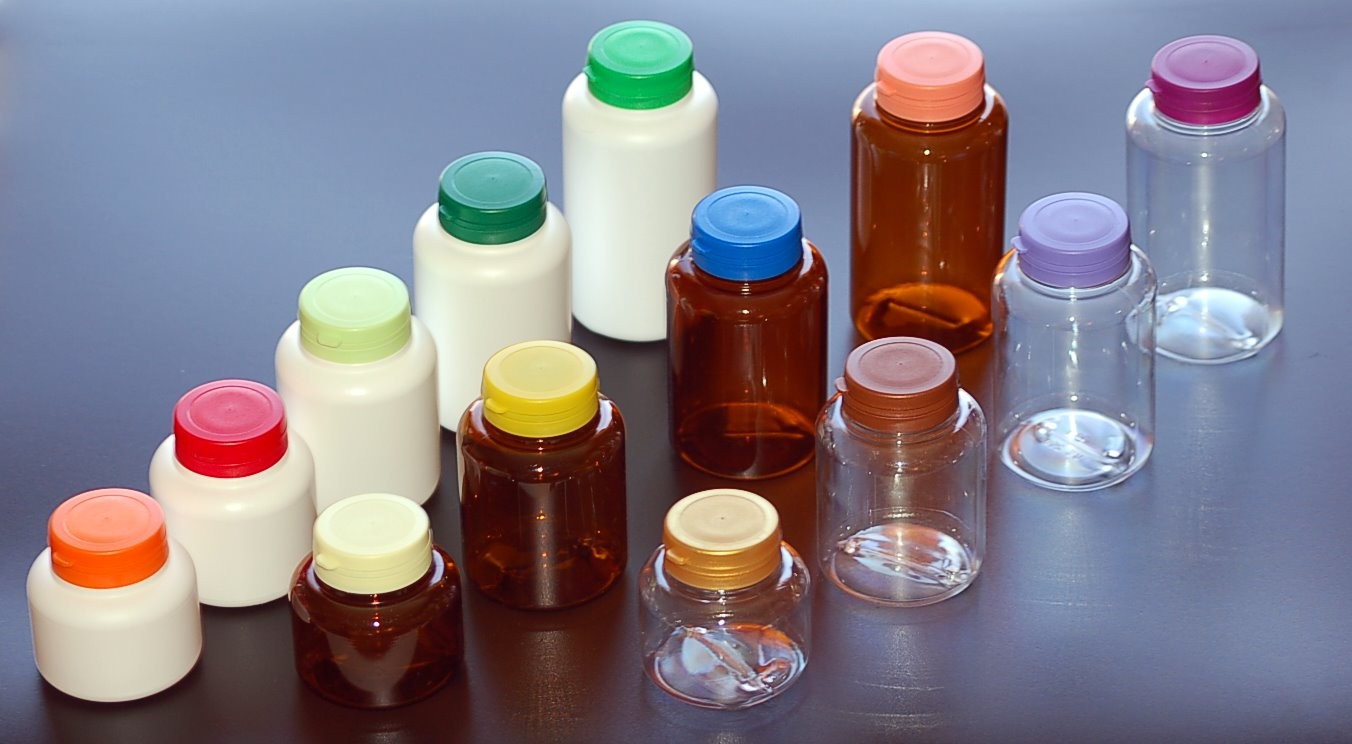
- LABOPICHOT leak-tight assembly: HDPE, PET or PP bottle combined with a suitable closure and sealing element, designed for liquids, lotions, oils, syrups and many nutraceutical or parapharmacy formulas.
Decision criteria used in the French guide
- Formula sensitivity to oxygen, humidity, light and repeated opening.
- Residual product left in the pack at end of use.
- Unit price at launch volumes and total project cost.
- Typical MOQ, catalogue availability and time to market.
- Capacity range, from small cosmetic formats to larger family or nutraceutical formats.
- Decoration options: tinting, screen printing, labels, hot stamping and closure colours.
- Recyclability, especially mono-material HDPE or PP combinations.
- Transport footprint, with French production in Le Brugeron, Puy-de-Dôme, Auvergne-Rhône-Alpes, instead of distant sourcing.
When airless remains the right answer
Airless can still be justified for a narrow set of high-value formulas: unstabilised L-ascorbic acid vitamin C, non-encapsulated retinol, living skin probiotics or luxury dermocosmetic launches where the airless gesture is part of the premium positioning. In those cases, the technical and marketing benefit may justify the higher cost and more complex recyclability profile.
When a leak-tight LABOPICHOT pack is more relevant
For stabilised serums, creams, oils, shower gels, lotions, liquid food supplements, parapharmacy syrups and many personal-care products, a well-specified bottle and closure assembly usually gives enough protection. Buyers gain broader capacity choice, French production, lower transport risk and more decoration freedom.
Briefing checklist
- Share the formula family, viscosity, pH, alcohol or essential-oil content and any known compatibility constraints.
- Specify the expected shelf life, light sensitivity and storage conditions.
- Indicate desired volume, closure gesture, decoration level, launch quantity and target retail channel.
- Ask for material and closure recommendations before freezing the artwork or secondary packaging.